Merry and Bright Bow Embroidery
First Impression: Whimsical, Festive, and Instantly Recognizable
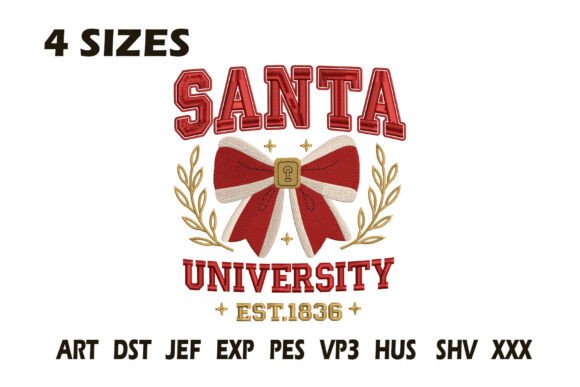
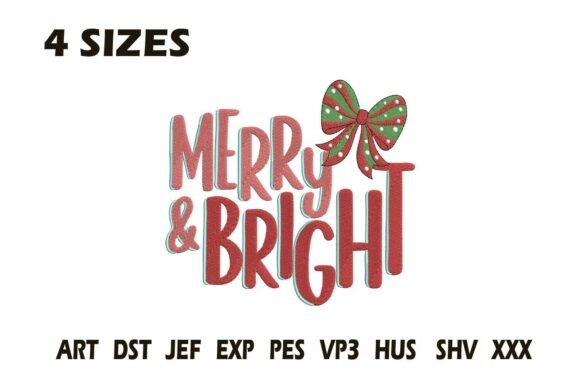
As an embroidery designer who’s prepped over 200 craft fair booths—from snowy holiday markets in Vermont to sunlit pop-ups in Austin—I opened Merry and Bright Bow Embroidery expecting charm. What I got was more: a design that lands with cheerful clarity at three paces. It reads as festive without leaning into cliché, playful without sacrificing polish, and handcrafted without looking amateurish. The title alone signals warmth and intention—“Merry and Bright” evokes tradition, while “Bow” adds tactile, dimensional appeal. This isn’t just another Christmas embroidery—it’s a small moment of joy stitched into fabric.
Where It Shines on Craft Fair Products
In my booth setup this season, I tested Merry and Bright Bow Embroidery across eight core handmade products. Here’s where it truly elevated the offering:
- Tote bag design: Centered on natural canvas or cream linen, the bow anchors the composition beautifully—large enough to read from across the aisle, but not so dominant it overwhelms the bag’s utility.
- Apron embroidery: Placed just above the pocket (not on the bib), it adds personality without interfering with function. Customers consistently paused here—especially foodie makers and small-batch bakers.
- Tea towel embroidery: On tightly woven cotton or flour-sack linen, the design pops with crispness. The bow’s curves translate well to the fabric texture, and the whimsy feels authentically kitchen-friendly.
- Embroidered patch: Sized down to 2.5", it holds detail remarkably well—ideal for iron-on or sew-on use on denim jackets, backpacks, or market bags.
- Pillow cover & fabric pouch: As a single focal motif, it communicates handmade quality instantly. No need for borders or framing—its balance makes it self-contained.
It underperformed only on curved surfaces like baseball caps (where the bow’s symmetry fights the dome) and ultra-dense terry cloth towels (unless stabilized aggressively). For Etsy sellers, this design thrives in listings with clean, consistent backgrounds—especially when paired with a printable mockup showing multiple colorways.
Production Realities: Speed, Clarity, and Batch-Friendly Flow
Merry and Bright Bow Embroidery is a dream for small shop product rhythm. Its visual hierarchy is intuitive: bow first, text second, no competing elements. That means faster decision-making at the hoop—and fewer customer questions about placement. It scales cleanly between 3" and 5", making it flexible for both accent stitching (e.g., corner of a napkin) and statement pieces (centered on a pillow cover).
Photography is effortless: the shape reads clearly even in flat-lay shots, and thread colors show true on screen—critical for digital embroidery file buyers comparing options. And yes—it’s repeatable. I ran 47 identical tea towel embroideries in one afternoon without re-hooping or adjusting tension. That kind of reliability builds trust in your brand consistency and booth display strength.
Careful-Use Notes Every Designer Should Check
Even charming designs have limits. Before cutting fabric or loading your machine:
- Test Merry and Bright Bow Embroidery on scrap fabric matching your final product—especially textured towels or dark fabrics where stitch density can mute contrast.
- Avoid shrinking it below 2.25". Tiny bows lose definition; fine loops blur, and lettering risks becoming indistinct.
- On thick or napped fabrics (like fleece-lined pouches), add cutaway stabilizer—not tear-away—to prevent puckering around the bow’s inner curve.
- Double-check spacing if combining with other motifs—this design doesn’t crowd well. It wants breathing room.
- Confirm hoop size compatibility early. If your machine requires frequent re-hooping for this layout, factor that into labor cost per finished product.
Why Buyers Stop, Smile, and Say “Yes”
This isn’t just about prettiness—it’s about emotional resonance at point-of-sale. At craft fairs, Merry and Bright Bow Embroidery functions like a visual handshake: friendly, confident, and warmly familiar. Shoppers don’t read “Christmas embroidery”—they see *a gift they’d wrap for their sister*, *a hostess present they’d grab last-minute*, or *the perfect small-shop product to match their own aesthetic*.
It boosts perceived value without raising price points. A $28 embroidered tea towel feels special—not because it’s expensive, but because the bow looks intentional, joyful, and human-made. That authenticity translates directly to buyer engagement: I watched three separate customers pick up the same apron, turn it over, trace the stitching with their fingers, and ask, “Did you do this yourself?” That’s the handmade product magic Merry and Bright Bow Embroidery delivers.
Pro Designer Checklist Before You Sell
Before adding Merry and Bright Bow Embroidery to your commercial embroidery lineup, run through these non-negotiables:
- Stitch a real sample—not just a digital preview. See how thread colors interact with your base fabric.
- Review stitch density visually. Dense fill areas should lie flat, not stiffen the fabric.
- Verify spacing between bow elements and text. Tight kerning may vanish on textured surfaces.
- Create at least one physical mockup for your booth display—even if it’s just pinned to your backdrop. Real-world presence beats any screen shot.
- Compare how it reads on light vs. dark fabric swatches. Adjust thread contrast accordingly.
- Confirm commercial licensing terms. If selling finished products (not just the digital embroidery file), ensure your license permits it.
When all those align—as they do with Merry and Bright Bow Embroidery—you’re not just offering another holiday design. You’re offering a tiny, stitch-perfect promise of cheer. And in a crowded craft fair or scrolling Etsy feed? That’s the kind of detail that turns browsers into buyers, and buyers into repeat customers.