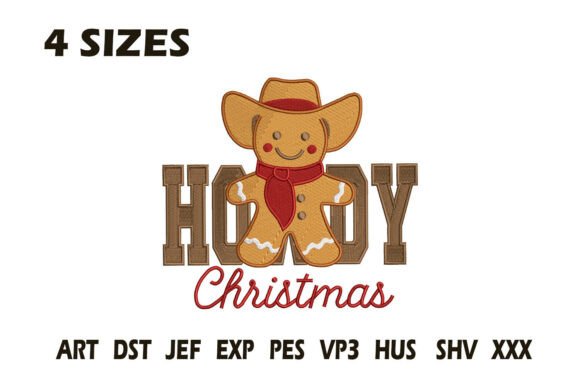
Howdy Christmas Embroidery Design
A Craft Fair Designer’s First Look: Charm That Catches Eyes (and Sales)
As someone who’s stitched, sold, and styled hundreds of embroidery designs at regional craft fairs and holiday markets, my gut reaction to Howdy Christmas Embroidery Design is immediate: this is a smile-getter. It reads as warm, approachable, and intentionally playful—not overly cutesy or stiffly traditional. The word “Howdy” instantly signals friendly Americana charm, while “Christmas” grounds it in seasonal relevance without leaning into cliché snowflakes or red-and-green overload. For handmade product sellers, that balance is gold. It feels rustic but not dated, festive but not frantic—ideal for shoppers scanning a crowded booth for something that feels both special and sincere.
Where Howdy Christmas Embroidery Design Shines On Real Craft Fair Products
In my booth setup—featuring embroidered tote bags, aprons, tea towels, patches, fabric pouches, pillow covers, and small market bags—Howdy Christmas Embroidery Design stands out strongest when scaled thoughtfully. On a natural linen tea towel? Perfect as a centered 4–5" motif—large enough to read clearly from three feet away, small enough to leave breathing room for the fabric’s texture. On a cotton canvas tote bag? It works beautifully near the bottom hem or subtly on the side pocket—adding personality without overwhelming the silhouette. As an apron embroidery piece above the pocket? Yes—it invites conversation and feels handmade, not mass-produced.
For embroidered patch applications, I’d recommend offering it pre-sewn onto twill or denim-backed patches—ideal for Etsy sellers bundling with iron-on instructions. On curved surfaces like caps, test stitch density first: the lettering and any illustrative elements (e.g., a stylized star or cowboy hat implied by “Howdy”) must remain legible across the dome. As a tote bag design or pillow cover focal point, it holds visual weight—but avoid shrinking it below 3" wide; tiny lettering loses charm and clarity on textured fabrics.
What Makes This Design Sell—Beyond the Stitch
Howdy Christmas Embroidery Design excels where many holiday motifs fail: it feels repeatable, not repetitive. You can offer it across multiple product types—towels, totes, aprons—and it still reads as cohesive, not generic. That consistency builds brand trust for small shop owners and boutique makers. Buyers notice it because it’s distinctive in tone: not sacred, not sarcastic, just warmly human. At a craft fair, that translates directly to engagement—people pause, smile, say “Oh, howdy!” aloud, then ask about customization options.
Photographically, it performs well for Etsy seller listings and printable mockup assets: clean lines, balanced negative space, and clear contrast between letterforms and decorative elements mean it renders crisply on white, cream, and even medium-toned fabrics. Just avoid placing it on heavily napped or plush textiles unless you’ve tested stabilizer support—dense stitch areas can sink or blur on thick terry cloth or velvet.
Practical Production Notes Every Embroidery Designer Should Check
- Test on scrap fabric first—especially if using textured towels or dark fabric. Thread colors that pop on screen may mute in person.
- Review spacing and stitch density. If the design includes fine outlines or tight curves, confirm it won’t pucker or skip on lightweight cotton or stretchy knits.
- Confirm hoop size and stabilizer needs. A design this expressive often benefits from medium-weight cutaway or tear-away stabilizer—particularly for commercial embroidery runs on varied substrates.
- Create at least one real mockup before ordering inventory. A stitched tea towel or patched tote tells you more than any digital preview.
- Compare fabric colors side-by-side. What reads as cheerful on oatmeal linen might feel washed out on ivory cotton poplin.
- Verify commercial licensing before selling finished products. As a digital embroidery file, its terms determine whether you can legally sell the finished product—a non-negotiable for craft fair vendors and Etsy sellers.
Design Assets That Support Your Handmade Product Strategy
When sourcing Howdy Christmas Embroidery Design, look for clean, well-digitized machine embroidery design files—not just pretty previews. Good design assets include multiple sizes (so you’re not stretching or compressing), compatible formats for your machine (PES, DST, JEF), and optional color charts. Bonus points if the digitizer included alternate versions—like a simplified outline for small patches or a bold-fill version for dark fabric.
For small shop product development, treat this design as a versatile anchor—not a one-off. Pair it with coordinating solid-thread palettes (think burnt orange, sage, cream, charcoal) rather than rigid red/green combos. That flexibility lets you extend the collection year after year, reinforcing your shop’s voice while staying seasonally relevant.
Final Thought: Why This Belongs in Your Holiday Booth Lineup
Howdy Christmas Embroidery Design isn’t just another holiday motif—it’s a conversation starter, a quality signal, and a smart commercial embroidery choice. It elevates a basic tea towel into a giftable handmade item. It adds authenticity to an apron without shouting. And on a crowded craft fair table, its warmth cuts through visual noise. For embroidery business owners, Etsy sellers, and creative entrepreneurs building a recognizable line of handmade products, this design delivers charm, clarity, and commercial readiness—if you respect its practical limits and honor its handmade spirit in execution.