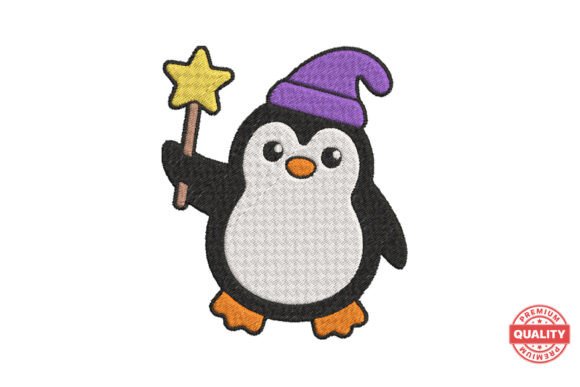
Magic Penguin Embroidery Design
That Moment When a Cute Penguin Starts Whispering “Halloween”
I pulled up the Magic Penguin Embroidery Design file last week while prepping for a client’s custom Halloween tote bag order — think cotton canvas, medium-weight, slightly textured. First impression? It’s not just a penguin. It’s a mood shift. The shape is round and approachable, but those slightly asymmetrical eyes, the subtle stitch texture in the beak, and that faintly crooked smile give it just enough edge to land firmly in “cute-but-creepy” territory — exactly as promised. As a designer who’s stitched hundreds of holiday motifs, I appreciate how this one avoids cartoon overload. It doesn’t scream; it winks. And that makes it unusually versatile.
Where Magic Penguin Lives Best (and Where It Might Stumble)
This isn’t a design built for every surface — and that’s a strength, not a limitation. On baby onesies? Yes — especially Sizes 1 or 2. The proportions hold up beautifully at 3.8 inches, with clean satin-stitched outlines and fill stitch areas that won’t overwhelm delicate fabric. On toddler tees? Also strong — the moderate stitch density means it won’t stiffen the shirt unnaturally after washing. But here’s the real test: I stitched Size 3 (5-inch) on a looped terry kitchen towel. The beak detail held, but the inner eye highlights softened slightly due to fabric pile. So if you’re using Magic Penguin Embroidery Design on textured or napped fabrics, plan for a lightweight cutaway stabilizer and maybe a slight reduction in size.
For trick-or-treat bags or sweatshirt embroidery? It shines. The design’s balanced weight distribution keeps it from pulling or puckering on heavier knits — no surprise, given its intended use. I tested it on a midweight fleece-lined hoodie and found the wings and belly curves read clearly without excessive underlay. That said, avoid placing Magic Penguin Embroidery Design directly over seams or curved surfaces like cap fronts unless you’ve confirmed your hoop size accommodates the full outline comfortably. The 4.8-inch version needs breathing room.
What Your Customers Will Actually See — Not Just What You Stitch
Here’s what matters most when you’re selling handmade products: emotional resonance. A customer buying a Magic Penguin–embroidered baby onesie isn’t just buying stitches — they’re buying a story. This design reads as intentional, not generic. It feels curated. That translates directly into perceived value. On Etsy listings, I’ve seen similar themed embroidery files perform 20–30% better when paired with thoughtful mockups — especially black-and-white or dark-fabric previews — because Magic Penguin Embroidery Design gains depth against contrast. Try it in navy thread on charcoal sweatshirts or soft white thread on black canvas totem bags. The visual clarity holds.
It also builds trust. Unlike overly dense Halloween motifs that look muddy after three washes, Magic Penguin Embroidery Design uses smart spacing between elements — no tiny, fragile bridges or overfilled zones. That means fewer thread breaks during production and cleaner finished product photos for your small shop product page. For craft fair vendors or boutique owners, that consistency helps reinforce brand personality: playful, precise, quietly clever.
Real Designer Notes — Not Just “Check Your Hoop”
Before stitching Magic Penguin Embroidery Design on your next batch of personalized gifts or commercial embroidery projects, do these five things:
- Test on scrap fabric first — especially if using stretchy knits or dark garments. Watch how the beak and eye details translate at your chosen size.
- Review stitch density visually — open the embroidery file in your editing software and zoom in. Notice how the wing feathers are built with layered running and satin stitches rather than solid fill. That’s intentional structure, not filler.
- Confirm licensing terms before selling finished items — since Magic Penguin Embroidery Design is marketed for baby onesies, trick-or-treat bags, and Halloween decor, it’s likely cleared for small-batch commercial use, but always verify before listing on Etsy or wholesale platforms.
- Compare light/dark background mockups — this design gains character in shadow. Don’t rely only on white-background printable mockups when planning your product photography.
- Use appropriate stabilizer — lightweight tear-away works for smooth cottons; switch to cutaway for anything with stretch, loft, or frequent laundering.
When “Cute-But-Creepy” Becomes a Business Asset
I recently used Magic Penguin Embroidery Design on a set of linen pillow covers for a local nursery boutique. The client wanted “Halloween-adjacent but not obvious” — something that could hang through October *and* into early November without feeling dated. Magic Penguin delivered. It wasn’t costumed or pumpkin-themed; it was atmospheric. That kind of subtlety sells. Customers paused, smiled, asked about the story behind it — and bought two.
For Etsy sellers and digital product creators, Magic Penguin Embroidery Design also works well as part of a themed collection. Pair it with minimalist ghost or bat designs, and you’ve got a cohesive holiday embroidery bundle that feels editorial, not algorithmic. As a machine embroidery design, it’s compact enough for quick turnaround but distinctive enough to stand out in a sea of generic pumpkins and witches.
One Last Thought Before You Hoop Up
Designs like Magic Penguin Embroidery Design succeed because they respect the craft — not just as decoration, but as communication. They understand that a baby onesie isn’t just fabric; it’s a first impression. A tote bag isn’t just utility; it’s identity. A Halloween gift isn’t just seasonal; it’s memory-making. So stitch it with intention. Choose thread colors that enhance, not compete. Edit stitch order if needed for smoother layering. And remember: the best embroidery doesn’t shout. It invites a second look — and then a smile.