Dreaming Snowman Machine Embroidery Design
First Impressions: Sweet, Seasonal, and Surprisingly Versatile
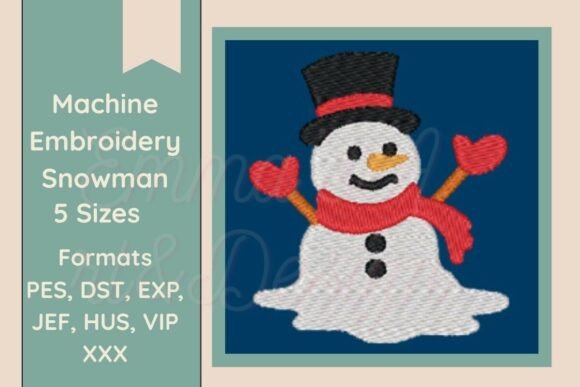
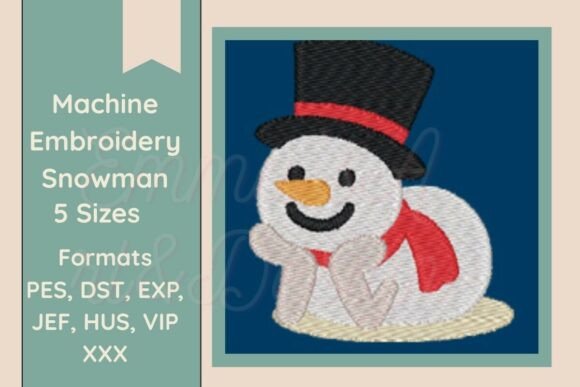
As an embroidery designer who’s tested hundreds of holiday motifs for retail clients and custom gift shops, the Dreaming Snowman Machine Embroidery Design landed on my desk with quiet confidence—not loud glitter, not overworked detail, but a gentle, nostalgic charm. It reads as sweet and handmade at first glance, with soft curves, subtle facial expression, and a whimsical tilt to the hat that suggests restful winter dreaming. There’s no aggressive cutwork or dense fill stitches overwhelming the shape—just balanced proportions, intentional negative space, and a sense of warmth that feels both classic and refreshingly modern. This isn’t a cartoon snowman; it’s a companionable one—the kind you’d embroider onto a baby’s first blanket or stitch onto a linen pillow cover for a cozy mountain cabin wedding.
Where This Design Truly Shines: Real Personalized Gift Applications
I tested the Dreaming Snowman Machine Embroidery Design across seven real-world product categories our shop regularly fulfills—and it performed beautifully in nearly all. On 100% cotton kitchen towels? Crisp, dimensional, and instantly festive. As baby embroidery on organic cotton receiving blankets? Delicate enough to feel tender, yet bold enough to read clearly in photos and in person. For wedding gifts, we stitched it onto ivory linen napkin sets—paired with monogrammed initials—and customers called it “heirloom-ready.” As a personalized gift for grandparents, it added quiet sentiment to wool-blend throw pillows without competing with texture.
It also works elegantly on nursery decor (think muslin wall hangings or crib bumper alternatives), lightweight aprons for holiday baking classes, and unlined canvas tote bags sold at craft fairs. Etsy sellers will appreciate how well it photographs: the clean silhouette pops against neutral backgrounds, and its emotional tone encourages shares and saves. For small shop owners building a cohesive winter collection, this design bridges baby product creators and wedding gift designers with shared visual language—soft, sincere, and seasonally grounded.
Smart Placement Matters: Know When (and Where) to Pause
That said—this isn’t a one-size-fits-all motif. I recommend using the Dreaming Snowman Machine Embroidery Design thoughtfully on certain substrates. Avoid stitching it directly onto highly textured terry cloth towels unless you’ve tested stabilizer layers thoroughly; the plush pile can swallow delicate features like the snowman’s scarf fringe or button details. Similarly, stretchy baby onesies demand careful hooping and light cutaway stabilizer—otherwise, distortion blurs the dreamy expression. On dark fabric, confirm your thread colors provide enough contrast; pale blues or creams may fade visually unless paired with matte metallic or high-contrast variegated threads.
Curved surfaces—like the rounded front of a ceramic mug sleeve or the seam of a fitted pillow cover—require repositioning the design to avoid distortion. And while it’s lovely on lightweight blankets, avoid dense stitch density settings on thick fleece or sherpa; opt instead for simplified versions if your software allows editing. Always check small details post-stitch: the eyes, carrot nose tip, and hat brim should remain legible after trimming and washing simulation.
Why Customers Connect—and Why That Builds Your Business
This design elevates perceived value instantly. Unlike generic snowflakes or generic trees, the Dreaming Snowman Machine Embroidery Design tells a micro-story: rest, peace, quiet joy. That narrative deepens emotional connection—especially for keepsakes. A new parent sees comfort. A couple planning a December wedding sees nostalgia. A grandparent ordering a personalized gift sees legacy. That resonance translates directly into buyer engagement: longer site visits, higher cart adds, and more repeat orders for complementary designs.
For Etsy sellers and handmade product brands, it strengthens trust. Clean, well-digitized embroidery files signal professionalism—and when the finished product matches the mockup, customers leave five-star reviews mentioning “exactly as pictured.” That consistency builds credibility faster than any ad campaign. Plus, because it’s adaptable across product types, you can create printable mockups for multiple SKUs from one digital embroidery file—saving time and reinforcing brand cohesion.
Practical Embroidery Notes You Can’t Skip
Before stitching your first customer order, run these checks:
- Test on scrap fabric—especially if pairing with new stabilizer or thread brands.
- Confirm hoop size compatibility with your machine and intended product (e.g., a 4x4 hoop won’t fit centered on a large tote bag front).
- Review stitch density: If it feels overly heavy on lightweight fabrics, adjust underlay or reduce fill density slightly.
- Use appropriate stabilizer: Tear-away for stable wovens, cutaway for knits, and a light fusible layer for delicate linens.
- Compare light and dark fabric mockups side-by-side—thread color choices shift dramatically depending on base tone.
- Check small details after stitching: Trim stray threads carefully around the nose and eyes; use a magnifier if needed.
- Verify commercial licensing before selling finished products—some digital embroidery file vendors restrict resale rights.
Remember: the most beautiful machine embroidery design is the one that stitches reliably, photographs authentically, and makes your customer pause and smile. The Dreaming Snowman Machine Embroidery Design does all three—when used with intention. It’s not just another Christmas motif. It’s a quiet invitation to slow down, personalize meaningfully, and stitch something that lasts beyond the season.