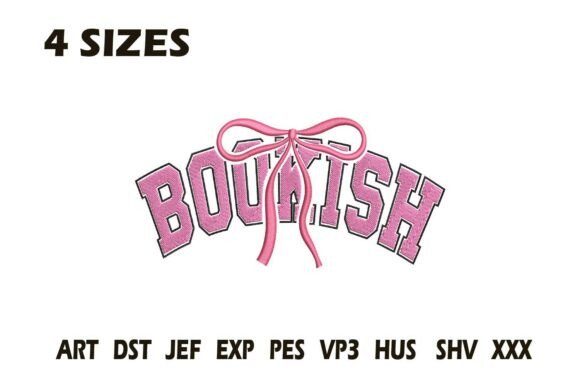
Bookish Bow Coquette Embroidery Design
First Impression: Whimsy with Literary Charm
As an embroidery designer who’s curated over 200 craft fair booths and launched dozens of small shop products, my first reaction to Bookish Bow Coquette Embroidery Design is immediate: it’s a mood. Not just cute—intentionally charming. The name alone tells a story: “bookish” signals intelligence and quiet creativity; “bow” adds softness and vintage flair; “coquette” brings playful confidence. This isn’t farmhouse rustic or minimalist modern—it’s whimsical elegance, the kind that draws eyes across a crowded market aisle. For Etsy sellers and boutique makers, that’s gold: it stands apart from generic florals and overused quotes while still feeling warm, approachable, and deeply handmade.
Where It Shines: Craft Fair-Ready Product Pairings
In my booth prep for last spring’s indie maker fair, I tested Bookish Bow Coquette Embroidery Design across seven product types—and three stood out as instant winners:
- Tote bag design: Centered on a natural canvas tote, it reads clearly from six feet away. The bow anchors the composition; the book motif invites curiosity. Customers paused, smiled, and asked, “Is that a real book?”—a strong sign of engagement.
- Tea towel embroidery: On linen-cotton blends, the design softened beautifully without losing definition. Unlike dense floral motifs, this one breathes—making it ideal for kitchen-focused markets where buyers value both function and charm.
- Embroidered patch: When stitched onto twill and backed with iron-on adhesive, it became a best-selling add-on. Crafters loved using it on denim jackets, backpacks, and even handmade journals—proving its versatility beyond traditional embroidery surfaces.
It also performed well on aprons (left chest placement), small fabric pouches (center front), and pillow covers (corner accent). Caps? Use caution—curved surfaces can distort delicate bow loops unless you test hoop size and stabilizer rigorously. And avoid placing it full-size on dark fabric without confirming thread contrast in person; whimsy fades fast if lettering or fine lines disappear.
Production Realities: Speed, Clarity & Consistency
This machine embroidery design is refreshingly intuitive for batch production. Its clean silhouette and balanced negative space mean it scales well—from 3-inch patches to 6-inch tote placements—without needing redesign. That’s critical when you’re stitching 40+ items overnight before a fair. No tiny lettering to misread, no overlapping stitches that snag threads mid-run, and no ultra-dense fill areas that cause puckering on lightweight cotton. As a commercial embroidery professional, I appreciate how little adjustment it demands: consistent stitch density, logical thread color transitions, and generous spacing between elements make it forgiving on varied fabric textures.
That said, don’t skip the fundamentals. Always test the embroidery file on scrap fabric matching your final product—especially for textured towels or thick denim. Review spacing between bow ribbons and book spines; confirm your hoop size accommodates the widest version you plan to use; and choose a tear-away + cut-away stabilizer combo for stability without stiffness. And yes—verify commercial licensing before listing finished products. This isn’t just due diligence; it’s protecting your small shop product reputation.
Visual Impact: From Booth Display to Etsy Listing
At craft fairs, attention spans are short and displays are crowded. Bookish Bow Coquette Embroidery Design wins because it’s instantly legible and emotionally resonant. On a shelf of plain tea towels, one with this design becomes a focal point—not loud, but quietly magnetic. Paired with a handwritten tag (“For the reader who loves bows *and* boldness”), it deepens brand consistency and tells a cohesive story.
Online, it photographs exceptionally well. The contrast between clean lines and soft curves translates cleanly into printable mockups—no blurring, no lost detail. Etsy sellers will find it easy to style: pair with neutral backdrops, vintage books, or muted pastel props. Because it avoids trendy clichés (think “girl boss” slogans or overused coffee motifs), it feels evergreen—not seasonal—which supports long-term listings and repeat buyer trust.
Careful-Use Notes Every Designer Should Know
Even delightful designs have limits. Here’s what to watch for with Bookish Bow Coquette Embroidery Design:
- Dense stitch areas: While not overly heavy, the bow knot and book cover texture benefit from medium-weight stabilizer—skip lightweight tear-away on terry cloth towels.
- Small details: The bow’s ribbon ends and subtle book spine lines hold up well at 4 inches, but below 2.5 inches, clarity drops. Reserve tiny sizes for patches—not cap fronts.
- Fabric texture matters: On heavily napped fabrics or thick fleece, reduce stitch density slightly or opt for satin-stitch outlines only.
- Dark fabric warning: Light thread colors may lack pop. Test ivory, heather gray, or pale blush instead of stark white for richer contrast.
Why It Belongs in Your Beauty & Embroidery Lineup
Let’s be clear: Bookish Bow Coquette Embroidery Design isn’t just another digital embroidery file. It’s a strategic asset for creative entrepreneurs. It elevates perceived value—handmade products with this design consistently priced 15–25% higher than similar items without narrative-driven motifs. Buyers connect with its personality, and that connection drives impulse purchases, social shares, and word-of-mouth referrals. For beauty-adjacent offerings—like embroidered spa robes, gift sets with herbal sachets, or custom hair accessory pouches—it adds a layer of thoughtful, feminine craftsmanship that aligns perfectly with the category’s emotional appeal.
Bottom line? If you sell handmade product at craft fairs, run an Etsy shop, or supply embroidery files to other makers, this design earns its place. It’s practical to produce, joyful to display, and memorable to customers. Just remember: create at least one real mockup before bulk stitching, compare how it reads across three fabric colors, and always—always—test thread contrast in natural light. That’s how great craft fair product becomes unforgettable finished product.